
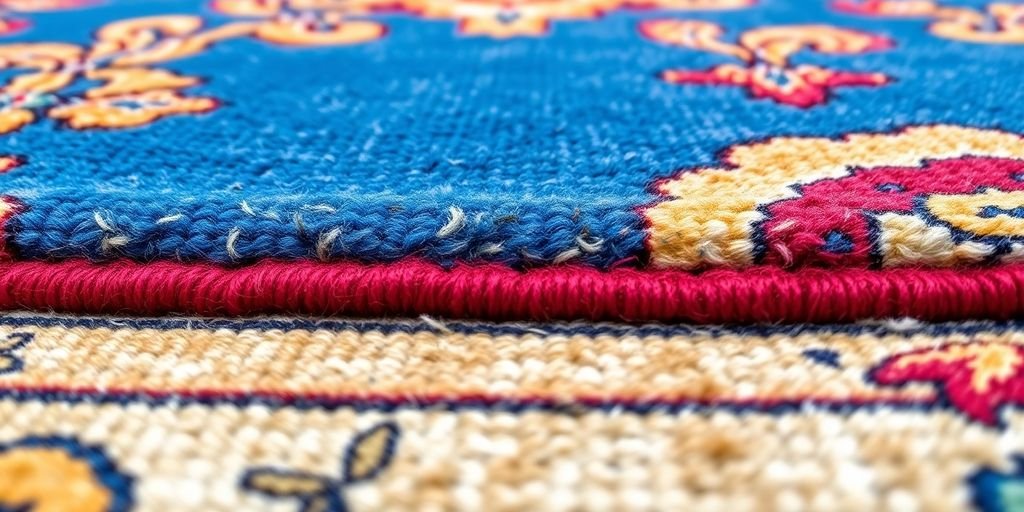
Oriental rugs are pretty amazing, aren’t they? They can really tie a room together and add a touch of class. But let’s be real, keeping them looking good can feel like a challenge. They’re not like your average rug; they’re often handmade with delicate materials, which means a little extra care goes a long way.
Whether you’re thinking about a quick clean-up or a full deep clean, knowing the right way to handle your Oriental rug is super important if you want it to stay beautiful for years. We’ll go over some common methods and tips to help you out.
Key Takeaways
- Understanding the material of your Oriental rug, like wool, silk, or cotton, is the first step to proper care and cleaning.
- Regular vacuuming with the right settings (no beater bar!) helps keep dirt from damaging fibers between deeper cleans.
- Spot cleaning spills quickly by blotting, not rubbing, is important to prevent stains from setting in.
- Professional Oriental rug cleaning is often best for deep cleaning, stain removal, and proper drying to avoid damage like color bleeding or shrinkage.
- Simple maintenance like rotating the rug, using rug pads, and keeping it out of direct sunlight can significantly extend its life and beauty.
Why Professional Oriental Rug Cleaning is Essential
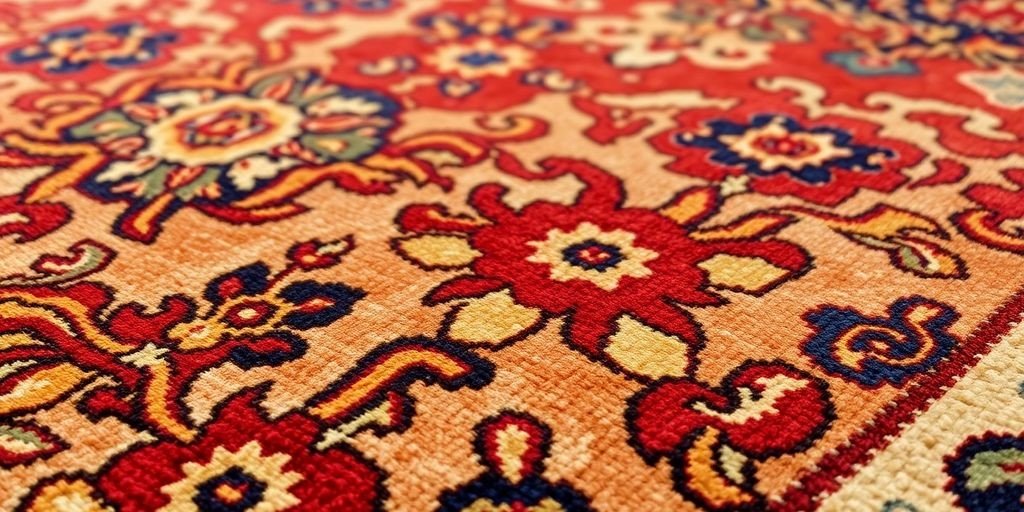
Oriental rugs are more than just floor coverings; they’re often intricate works of art passed down through generations. While regular vacuuming and careful spot cleaning at home can help maintain their appearance, these methods often fall short when it comes to truly deep cleaning.
Professional cleaning is indispensable for preserving the beauty and longevity of your treasured rugs. Home methods just can’t reach the deep-seated dirt, allergens, and potential damage that accumulate over time. Professionals have the specialized knowledge and equipment to handle the unique fibers and dyes found in these valuable pieces.
Cotton and Other Natural Fibers
Professional cleaners understand that different materials require different approaches. For instance, wool rugs are durable but can be sensitive to harsh chemicals, while silk rugs are incredibly delicate and need very gentle treatment to avoid fiber damage or color bleeding. Cotton and other natural fibers also have their own specific care needs.
Getting your Oriental rug professionally cleaned every one to three years is a good rule of thumb. This periodic deep clean helps to:
- Remove accumulated dirt and grit that vacuuming misses.
- Safely eliminate stubborn stains and odors.
- Revitalize the rug’s colors and patterns.
- Prevent fiber degradation and potential damage from pests or mold.
This investment helps maintain the structural integrity and aesthetic appeal of your rug, ensuring it remains a beautiful part of your home for years to come.
Spilled coffee, muddy shoes, and pet hair can quickly turn beautiful rugs into worn, dull surfaces.
At A1 Red Carpet, we provide expert rug cleaning services in Denver to restore color, softness, and freshness. Our team uses safe cleaning methods to lift deep dirt and remove stubborn stains without damaging fibers. Whether it’s an heirloom rug or a modern design, we bring it back to life with care and precision.
Understanding Your Oriental Rug’s Material
Oriental rugs are beautiful works of art, but they’re not all made the same. Knowing what your rug is made of is the first step to keeping it looking good for years. Different fibers have different needs, and what works for one might actually harm another.
It’s like knowing if you’re dealing with a delicate silk scarf or a sturdy wool sweater – you wouldn’t wash them the same way, right?
Wool Rugs: Properties and Care
Wool is probably the most common material you’ll find in Oriental rugs. It’s a natural fiber that’s pretty tough, meaning it can handle a good amount of wear and tear.
Wool fibers have a natural protective coating that helps them resist dirt and stains, which is a big plus. Plus, they have a nice springiness to them, so they tend to bounce back well even after being walked on a lot.
- Durability: Wool is known for its strength and resilience.
- Natural Resistance: It naturally repels dirt and stains.
- Texture: It offers a soft yet firm feel underfoot.
- Color Retention: Wool generally holds dyes well, keeping colors vibrant.
Silk Rugs: Delicate Fibers, Special Handling
Silk rugs are the luxury option. They have this amazing sheen and incredibly fine detail because silk fibers are so smooth and thin.
This makes them super soft to the touch, almost like velvet. However, silk is also very delicate. It’s not as strong as wool and can be easily damaged by rough handling, harsh cleaning products, or even too much sunlight, which can make the colors fade or the fibers brittle.
- Luster: Silk provides a unique, beautiful sheen.
- Softness: The fibers are exceptionally smooth and soft.
- Detail: Allows for very intricate patterns and fine knotting.
- Sensitivity: Prone to damage from harsh chemicals, abrasion, and UV light.
Because silk is so sensitive, you have to be extra careful. Avoid vacuuming with a beater bar; a suction-only attachment is much safer. Blot spills immediately and gently.
For any kind of washing or stain removal, it’s almost always best to leave it to the professionals who know how to handle silk without causing damage. Trying to clean a silk rug yourself can easily lead to irreversible problems like color bleeding or fiber damage.
Cotton and Other Natural Fibers
Cotton is another common fiber, often used for the foundation or warp and weft of Oriental rugs, though sometimes for the pile too. Cotton is generally strong and absorbent. Rugs made entirely or partly of cotton can be a bit stiffer than wool or silk.
They can also be more prone to fading if exposed to direct sunlight for long periods. Other natural fibers might include jute or sisal, which are coarser and have a more rustic look and feel.
- Absorbency: Cotton absorbs moisture readily.
- Strength: It’s a fairly strong fiber.
- Feel: Can feel cooler and sometimes stiffer than wool.
- Sunlight Sensitivity: Prone to fading with prolonged sun exposure.
Understanding the specific needs of your rug’s material is the most important step in keeping it looking its best. Treat it right, and it will reward you with beauty for many years.
Common Oriental Rug Cleaning Methods
When it comes to keeping your treasured Oriental rugs looking their best, the cleaning methods used make a big difference.
It’s not like just tossing a bath mat in the washing machine, that’s for sure. Different materials and construction styles need different approaches to avoid damage and bring out their natural beauty.
Dry Cleaning for Oriental Rugs
Dry cleaning is often recommended for rugs that are particularly sensitive or have dyes that might run. This method uses specialized solvents and powders that absorb dirt and oils without the need for excessive moisture.
It’s a gentler option, often used for rugs where water saturation could cause problems like mildew or fiber damage. Think of it as a surface-level refresh that can tackle dust and light soiling effectively. It’s a good choice for maintaining the integrity of older or more delicate pieces.
Wet Cleaning: The Deep Clean Approach
Wet cleaning, or immersion washing, is the most thorough method for Oriental rugs. This involves submerging the rug in a controlled bath of water and mild, pH-balanced cleaning solutions.
This process allows for a deep clean, removing embedded dirt, allergens, and residues that dry cleaning can’t reach. It’s particularly effective for hand-knotted carpet cleaning and is often the preferred method for restoring the vibrancy of wool rugs.
After washing, the rug is carefully rinsed and then spun in a centrifuge to remove most of the water, which is a much safer way to handle excess moisture than trying to air dry a heavy, wet rug at home. This is the method used in professional carpet restoration.
Specialized Stain Removal Techniques
Sometimes, a regular cleaning isn’t enough, especially if you’ve had a spill. For specific stains, professionals use targeted techniques. This might involve using particular solutions tailored to the type of stain (like pet accidents or wine spills) and the rug’s material.
For instance, silk carpet cleaning requires extreme care, and specific treatments are used for silk carpet washing to prevent damage to those delicate fibers. It’s also important for antique carpet preservation to address stains promptly and correctly.
Trying to tackle tough stains yourself can sometimes lead to discoloration or damage, making professional intervention the safer bet for silk carpet restoration and other delicate rug washing needs.
Here’s a quick look at what makes professional cleaning stand out:
- Material Identification: Professionals can correctly identify your rug’s fibers (wool, silk, cotton) and dyes.
- Customized Solutions: They use cleaning agents appropriate for each specific rug type.
- Controlled Drying: Proper drying prevents mold, mildew, and fiber damage.
- Expertise: They understand the nuances of specialty rug washing and hand-knotted carpet cleaning.
For routine maintenance, regular vacuuming is still key, and you can find tips on how to clean wool rugs at home for light dust removal. However, for a true deep clean and to ensure the longevity and beauty of your Oriental rug, professional cleaning is the way to go.
DIY vs. Professional Oriental Rug Cleaning: What’s Best?
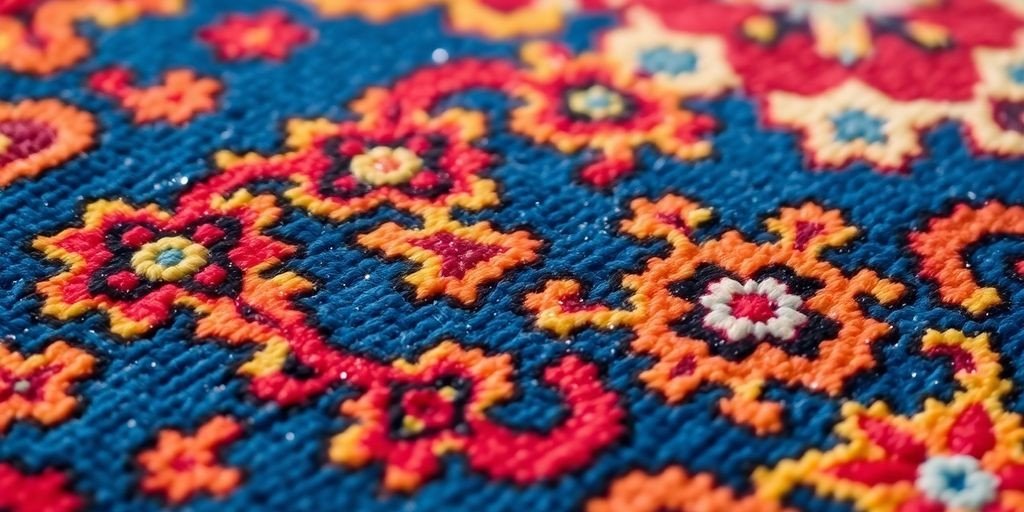
Deciding whether to tackle Oriental rug cleaning yourself or hand it over to the pros can feel like a big choice. While the idea of saving some cash by doing it yourself is tempting, it’s really important to think about what’s best for your rug in the long run.
DIY Cleaning: The Temptation and the Risks
Sure, you can grab a carpet cleaner from the store or mix up a home remedy for a spill. For minor, fresh spots, a gentle blot with a mild detergent and water might work. Some folks swear by a vinegar and water mix for stains, but you absolutely have to test it on a hidden spot first.
The biggest risk with DIY cleaning is causing permanent damage. Natural fibers like wool and silk are sensitive. Using the wrong cleaner or too much water can lead to discoloration, dye bleed, or even fiber damage.
Even something as simple as vacuuming needs care; you need to remove the beater bar and go with the pile, not against it. Plus, home methods just can’t get out all the deep-down dirt and allergens that accumulate over time.
Professional Cleaning: The Safer, Deeper Solution
Professional cleaners have the knowledge and equipment to handle your Oriental rug with the care it deserves. They know how to identify different fiber types and dyes, which is key to picking the right cleaning solutions.
They use specialized tools and techniques, often involving off-site cleaning centers, to give your rug a truly deep clean. This process removes embedded dirt, allergens, and stubborn stains that home methods miss. It also helps preserve the rug’s colors, texture, and overall structure, extending its life significantly.
Think of it as a spa day for your rug, ensuring its beauty lasts for years, maybe even generations. For a truly thorough clean, professional Oriental rug cleaning is the way to go.
When DIY Might Be Okay (with Caution)
- For very small, fresh spills, immediate blotting with a clean cloth can prevent a stain from setting.
- If you must try a home remedy, always do a spot test in an inconspicuous area first.
- Gentle vacuuming, with the correct settings and technique, is fine for regular maintenance.
Trying to clean a delicate Oriental rug without the proper knowledge is like trying to perform surgery with a butter knife – you might mean well, but the results can be disastrous. It’s often better to trust the experts who have the right tools and training to protect your investment.
Tips for Maintaining Your Oriental Rug Between Cleanings
Keeping your beautiful Oriental rug looking its best between professional cleanings is all about consistent, gentle care. Think of it as daily TLC for a treasured piece of art. Regular maintenance prevents dirt and grit from getting ground into the fibers, which can cause wear over time.
Here are some straightforward ways to keep your rug in good shape:
- Vacuuming: This is your first line of defense. Aim to vacuum at least once a week, maybe more if it’s in a high-traffic spot. Always use your vacuum’s suction-only attachment and remove the beater bar, as this spinning brush can snag and damage the delicate fibers. Go slowly and vacuum in the direction of the rug’s pile, not against it. Don’t forget to vacuum both the front and the back of the rug occasionally. Be extra careful around the fringes – they can easily get caught.
- Spot Cleaning: Accidents happen! If you notice a spill, address it immediately. Blot the area gently with a clean, dry cloth to absorb as much of the liquid as possible. Avoid rubbing, as this can spread the stain and damage the fibers.
- Rotation: To ensure even wear, rotate your rug about every six months. This is especially important for rugs placed in sunny windows or in areas where people walk more often. Rotating helps prevent one section from wearing out faster than others.
- Sunlight Protection: Direct sunlight can cause the vibrant colors of your Oriental rug to fade over time. Try to position your rug so it doesn’t get direct sun for extended periods, or use curtains or blinds to filter the light. Rotating the rug also helps with this.
- Moth Prevention: Oriental rugs, especially those made from natural fibers, can be susceptible to moth damage. Keep an eye out for any signs of infestation, like small holes or webbing. Regular vacuuming and proper storage can help deter moths.
Remember, while these tips help maintain your rug’s condition, they are not a substitute for professional cleaning. For a truly deep clean that removes embedded dirt and restores the rug’s vibrancy, professional attention is still needed periodically. Consider having your Persian rug care professionally cleaned every 12 to 18 months, or more often for high-traffic areas.
When to Call a Professional Oriental Rug Cleaner in Denver
While regular vacuuming and careful spot cleaning can keep your Oriental rug looking good day-to-day, there are definitely times when you should call in the pros.
Trying to tackle deep cleaning or tough stains yourself can sometimes do more harm than good, especially with these delicate, often valuable pieces.
When Home Care Isn’t Enough
If your rug has seen better days and vacuuming just isn’t cutting it anymore, it’s probably time for a professional touch. Think about it: embedded dirt, allergens, and even pet odors can get way down into the fibers, and your home vacuum just can’t reach all of that.
Professionals have specialized equipment and cleaning solutions that can really get to the root of the problem without damaging the rug’s material or colors.
Dealing with Stubborn Stains or Damage
Accidents happen, right? If you’ve got a spill that just won’t budge, or maybe a spot that’s gotten worse after you tried to clean it, a professional cleaner is your best bet.
They know how to identify the type of stain and the rug’s material to use the most effective, yet gentle, treatment. Trying to remove a stain with the wrong product can lead to discoloration or even fiber damage, which is a real shame.
Signs Your Rug Needs a Deep Clean
- Dull Appearance: If the colors seem faded and the pile looks flat, it’s a sign that dirt has built up.
- Musty Odors: Lingering smells, especially after vacuuming, indicate that moisture and odor-causing bacteria are trapped.
- Visible Wear and Tear: Beyond just dirt, if you notice the fibers looking worn or matted, a professional cleaning can sometimes help restore them.
- Allergies or Respiratory Issues: A rug can harbor dust mites and allergens. Professional cleaning can significantly reduce these irritants.
Sometimes, the best way to care for something precious is to let someone with the right tools and knowledge handle it. For Oriental rugs, this often means bringing in the experts for a thorough cleaning every year or two, depending on how much it’s used. It’s an investment in keeping your rug beautiful for years to come.
Keeping Your Oriental Rug Beautiful for Years
So, taking care of your Oriental rug doesn’t have to be a huge chore. It’s mostly about being gentle and consistent. Remember to vacuum carefully, avoid harsh chemicals, and maybe use a rug pad.
If you’re ever unsure about a stain or just want a really deep clean, calling in the pros is always a good idea. They have the right tools and know-how to handle these beautiful, often delicate pieces. Treat your rug right, and it’ll keep looking great for a long, long time.
Spilled coffee, muddy shoes, and pet hair can quickly turn beautiful rugs into worn, dull surfaces.
At A1 Red Carpet, we provide expert rug cleaning services in Denver to restore color, softness, and freshness. Our team uses safe cleaning methods to lift deep dirt and remove stubborn stains without damaging fibers. Whether it’s an heirloom rug or a modern design, we bring it back to life with care and precision. Let us handle the mess so your rugs look and feel brand new again.
Contact us now to get reliable rug cleaning services.
Frequently Asked Questions
How often should I vacuum my Oriental rug, and what’s the best way to do it?
It’s best to vacuum your Oriental rug gently about once a week, or more if it gets a lot of foot traffic. Use a vacuum cleaner without a beater bar or set it to a low suction.
What should I do if I spill something on my Oriental rug?
For everyday spills, it’s important to act fast! Gently blot the spill with a clean cloth, working from the outside of the stain inward.
Is it important to use a rug pad under my Oriental rug?
Yes, using a rug pad is a great idea! It helps keep your rug from sliding around, which can cause damage. Plus, it adds a bit of cushioning and helps protect the rug from wear and tear, especially in busy areas.
Why should I avoid placing my Oriental rug in direct sunlight?
Direct sunlight can cause the colors in your Oriental rug to fade over time. To prevent this, try to keep your rug out of areas that get strong, direct sun.
How often should I get my Oriental rug professionally cleaned?
While you can do some spot cleaning at home, it’s generally best to have your Oriental rug professionally cleaned every one to three years.
What common household cleaning products or methods should I avoid using on my Oriental rug?
Never use harsh chemicals like bleach or ammonia, or even regular carpet shampoos, on your Oriental rug. Also, avoid using steam cleaners, as the high heat and moisture can damage the natural fibers, cause colors to run, or make the rug shrink.