
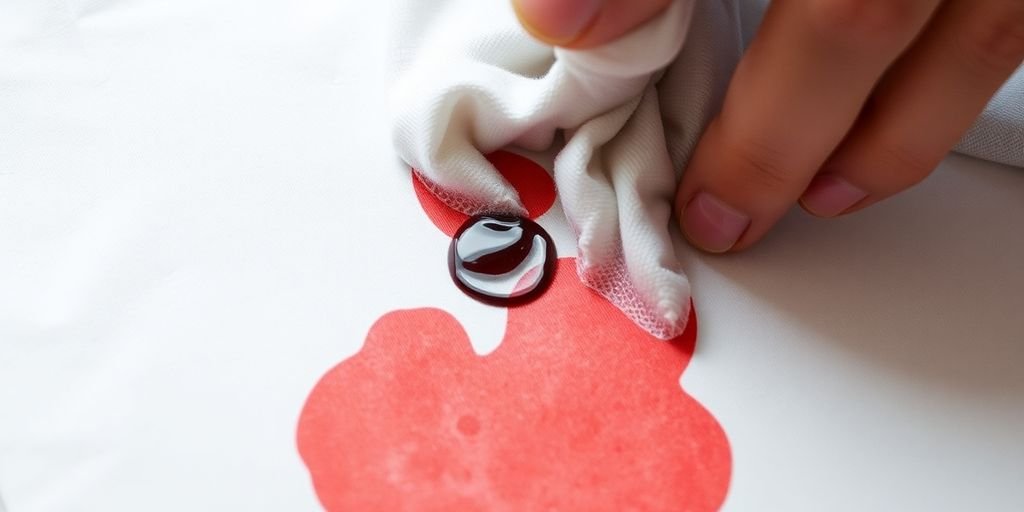
Marker pen stains on clothes can feel like a disaster, especially when they appear on your favourite shirt, work uniform, or your child’s school clothes. Whether it’s a washable marker, a magic marker, or a stubborn permanent ink, knowing how to remove marker pen stain from clothes correctly can save both time and money.
Marker stains behave differently from food or dirt stains. Ink seeps deep into fabric fibres, which is why random scrubbing often spreads the stain instead of removing it. The good news is that with the right methods and products, marker pen stain removal is very possible at home.
Let’s get those Ink & Marker Stains Denver problems sorted out!
Key Takeaways
- Act fast! The sooner you tackle an ink or marker stain, the better your chances of removing it completely.
- Always test any cleaning solution on a hidden spot of the fabric or surface first to avoid damage.
- Blotting the stain gently is better than rubbing, which can spread the ink and push it deeper into the material.
- Rubbing alcohol is a go-to for many ink stains, especially ballpoint pen ink, because it breaks down the oils.
- Avoid using heat, like an iron or dryer, on a stained item until you’re sure the stain is gone, as heat can set it permanently.
Why are they hard to remove?
Before learning how to remove marker pen stain, it’s important to understand why these stains are so stubborn.
Marker pens contain strong pigments combined with alcohol or oil-based solvents. These chemicals are designed to dry quickly and bond tightly to surfaces—including fabric fibres. That’s why pen mark stain removal requires dissolving the ink rather than scrubbing it out.
Permanent markers are especially challenging because they are water-resistant. If you’ve ever wondered how to get permanent marker out of clothes, the key is using alcohol-based solutions that break down the ink’s structure.
The fabric type also matters. Cotton absorbs ink deeply, while polyester resists absorption but spreads stains quickly. Delicate fabrics like silk and wool require extra care.
Common Ink Components
- Pigments/Dyes: These are the colorants that give ink its hue. They can be water-based or oil-based.
- Solvents: These liquids help carry the pigment and allow it to flow. Alcohol, water, and glycols are common solvents.
- Resins/Binders: These help the ink adhere to the surface and dry quickly.
Common Types of Ink and Marker Stains
Ink and marker stains can be a real headache, but knowing the type of ink you’re dealing with can make all the difference in how you tackle it. Different formulations require different approaches, so let’s break down the most common culprits.
Ballpoint Pen Ink
Ballpoint pen ink is usually oil-based, which means it can be a bit stubborn. The pigment is suspended in a solvent that evaporates slowly, allowing the ink to penetrate fabric fibers. Because it’s oil-based, you’ll often find that cleaning agents designed to break down grease work best here.
Think rubbing alcohol or even hairspray, which contains alcohol and polymers that can help lift the ink. The key is to work quickly before the ink really sets in.
Permanent Marker
Ah, the dreaded permanent marker. These are designed to, well, be permanent! The ink contains solvents that evaporate very quickly, leaving behind pigments and binders that adhere strongly to surfaces.
This makes them notoriously difficult to remove from porous materials like fabric or even some plastics. Common household items like rubbing alcohol, hand sanitizer, or even toothpaste can sometimes break down the binders and lift the ink, but it often requires patience and repeated applications. For permanent marker stain removal, you might need something stronger, but always test first!
Washable Marker
Good news! Washable markers are formulated with water-based inks, making them significantly easier to remove. These inks are designed to wash out easily with water and soap, which is why they’re popular for kids’ art projects. If a washable marker stain happens, your first line of defense should be immediate washing with cool water and a good detergent.
For any lingering marks, a pre-treatment with a stain remover or even a bit of dish soap can usually do the trick. They are generally the least concerning type of ink stain to deal with.
The Golden Rule of Marker Pen Stain Removal
The faster you act, the higher your success rate.
Fresh stains are far easier to remove than dried ones. As soon as you notice the ink:
Do not rub the stain
Do not apply heat
Do not throw it into the dryer
Heat sets ink permanently, making attempts much harder. Always treat the stain before washing and drying.
Essential Supplies for Stain Removal
Before you start tackling those ink and marker mishaps, it’s a good idea to have a few essentials on hand. Having these supplies ready means you can jump into action the moment a stain appears, which is half the battle, really. Think of it like having a mini stain-fighting kit ready to go.
How Can I Get Permanent Marker Out of Clothes
How to remove marker pen stains from fabric naturally: follow these steps
- Rubbing Alcohol: This is a superstar for many ink types, especially permanent marker. It works by breaking down the pigments in the ink.
- Hairspray: Specifically, the alcohol-based kind. It acts similarly to rubbing alcohol, dissolving the ink.
- Nail Polish Remover: Acetone-based removers can be quite effective, but be careful as they can also damage certain fabrics or finishes. Always test first!
- Baking Soda: A gentle abrasive and deodorizer, it’s great for making a paste to lift stains.
- White Vinegar: Its acidity can help break down some types of ink.
- Dish Soap: A good degreaser, useful for many types of stains, including some marker inks.
- Toothpaste: Non-gel toothpaste can act as a mild abrasive.
- Hand Sanitizer: Most contain alcohol, making them a handy alternative to rubbing alcohol.
Cleaning Tools
- Clean White Cloths or Paper Towels: You’ll need these for blotting and applying cleaning agents. White is best so you can see the ink transferring.
- Cotton Swabs (Q-tips): Perfect for precise application of cleaning solutions to small stains.
- Soft-bristled Brush or Old Toothbrush: For gently working cleaning agents into the stain.
- Spray Bottle: Useful for applying water or diluted cleaning solutions.
Specialized Cleaners (Optional)
- Laundry Stain Remover: If you’re dealing with fabric stains, a commercial laundry stain remover can be a good backup. Follow the product instructions carefully.
- All-Purpose Stain Remover: These can work on various surfaces, but always check if they’re suitable for the material you’re treating.
Having a few of these items readily available can make a big difference when an ink or marker stain strikes. It’s always better to be prepared than to let a stain set in.
If you’re looking for effective [DIY carpet stain removal Denver] solutions, many of these household items can be adapted. For those tougher spots, you might consider looking into [DIY stain cleaner Denver] options or professional [stain removal Denver] services if the DIY approach doesn’t quite cut it.
How to Remove Marker Pen Stain From Clothes
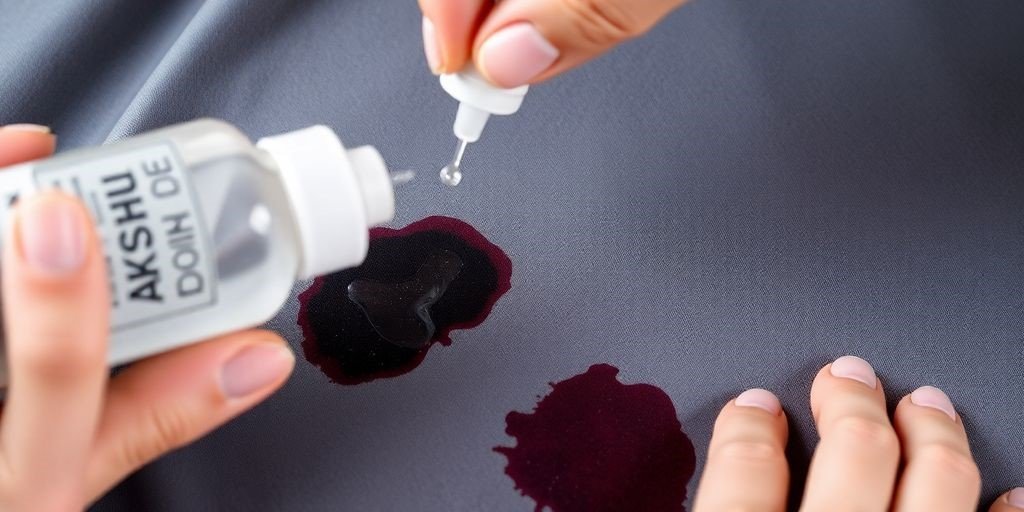
Tackling ink and marker stains can feel like a race against time, but with a few simple steps, you can often save your favorite items.
The key is to act fast and be gentle with the fabric. Here’s a breakdown of the general approach to get the best results, whether you’re dealing with a ballpoint pen or a stubborn permanent marker.
Act Quickly!
Seriously, the sooner you address an ink or marker stain, the better your chances of removing it completely. Fresh stains haven’t had a chance to set into the fibers, making them much easier to lift. Don’t let that spill or scribble sit around; grab your supplies and get to work.
Test in an Inconspicuous Area
Before you go all-in on the main stain, always test your chosen cleaning solution on a hidden spot first. This could be an inside seam, a hem, or the back of a collar. You want to make sure the cleaner won’t damage the fabric or cause the color to run. This is a vital step in any good marker pen stain removal guide.
Blot, Don’t Rub
This is probably the most important technique to remember. When you rub a stain, you tend to push the ink deeper into the fabric fibers and spread it out, making the problem worse. Instead, use a clean cloth or paper towel to gently blot the stain from the outside edges inward. This helps to lift the ink out of the material rather than spreading it. It’s a core part of effective marker pen stain removal tips.
Remember that heat can set stains, so avoid using hot water or putting a stained item in the dryer until you’re sure the ink is gone. This applies to many different types of ink, from washable markers to permanent ones.
Here’s a quick look at what you might need:
- Paper towels or clean cloths
- Rubbing alcohol (isopropyl alcohol)
- An eyedropper (optional, but helpful for precise application)
- A pre-wash stain remover
Effective Home Remedies for Ink and Marker Stains
Sometimes, you don’t need fancy chemicals to tackle those pesky ink and marker mishaps. Your own home likely has a few items that can work wonders. The key is to act fast and be gentle.
Rubbing Alcohol
Rubbing alcohol is a surprisingly effective tool for many ink stains, especially ballpoint pen ink. It works by breaking down the ink’s pigments. You can find it at almost any drugstore or supermarket. It’s a good idea to have some on hand for general cleaning, not just for ink spills. If you’re looking to remove ink stains Denver, rubbing alcohol is a solid DIY option.
- What you’ll need: Rubbing alcohol (isopropyl alcohol, 70% or higher is best), clean cloths or paper towels, and paper towels.
- How to use:
- Place the stained item on a stack of clean paper towels.
- Dampen a clean cloth or cotton ball with rubbing alcohol.
- Gently dab the stain, working from the outside in. You should see the ink transferring to the cloth and the paper towels underneath.
- Keep moving to a clean section of the cloth and replacing the paper towels as they absorb the ink.
- Once the stain is gone, rinse the area with cool water and launder as usual.
Hairspray (Use with Caution)
Certain hairsprays, particularly older formulas, contain alcohol which can help lift ink. However, many modern hairsprays have less alcohol and can leave behind a sticky residue that’s hard to remove.
Toothpaste (Non-Gel)
For some marker stains, a dab of non-gel toothpaste can work. The mild abrasives in toothpaste can help lift the pigment. This is more of a last resort and might not be effective on deep or old stains.
Baking Soda Paste
Baking soda mixed with a little water to form a paste can be a gentle abrasive for some stains. Apply the paste, let it sit for a bit, then gently scrub before rinsing. This is a good option for a mild DIY stain remover for markers.
If you’ve tried these methods and the stain persists, or if you’re dealing with a delicate fabric, it might be time to consider professional help.
For tough stains in the Denver area, services like A1 Red Carpet professional cleaning can often provide the best results.
When to Call a Professional
While many ink and marker stains can be tackled with common household items, some situations call for a more experienced hand.
If you’ve tried a few home remedies without success, or if the stain is on a delicate or valuable item, it might be time to seek professional help. Don’t keep trying different methods if the stain isn’t budging, as you could inadvertently set it further or damage the material.
Delicate Fabrics
Items made from silk, wool, velvet, or antique fabrics often require specialized cleaning techniques. Harsh chemicals or aggressive scrubbing can easily ruin these materials. A professional cleaner has the knowledge and products to safely treat stains on these delicate items.
Large or Set-In Stains
If you’re dealing with a very large ink spill or a stain that has been on the fabric for a long time, it might have bonded deeply with the fibers. These tougher stains are often best handled by professionals who have access to stronger, yet fabric-safe, cleaning agents and equipment.
Valuables and Sentimental Items
For cherished heirlooms, expensive clothing, or items with significant sentimental value, the risk of making a mistake is too high. It’s wise to consult with professionals who specialize in restoring stained items to avoid irreversible damage. They can assess the material and the stain type to determine the best course of action.
Persistent Odors
Sometimes, ink or marker stains can leave behind lingering odors, especially if they’ve been left untreated. While cleaning might remove the visible mark, a professional service can often address and eliminate these stubborn smells more effectively.
If you’re unsure about tackling a cleaning job yourself, it’s always best to get expert help. For tough messes or when you just want the best results, our team is ready to assist. Visit our website to learn more about our services and schedule your cleaning today!
Frequently Asked Questions
How quickly should I try to remove an ink stain?
Act fast! The sooner you treat an ink or marker stain, the better your chances are of removing it completely. Fresh stains are always easier to tackle than old ones.
Can rubbing alcohol damage clothes?
Yes, rubbing alcohol can work on many fabrics, but it’s a good idea to test it on a hidden spot first to make sure it doesn’t damage or discolor the material.
What household products can I use to remove permanent marker stains?
Yes, several common household items can help get rid of permanent marker. Things like rubbing alcohol, nail polish remover, hairspray, and even vinegar can be effective.
How do I get permanent marker off my skin?
The quickest way to remove permanent marker from your skin is to use rubbing alcohol. Put some on a cotton ball, hold it on the stain for a few seconds, and then rub until the ink disappears.
Should I rub or blot an ink stain?
When cleaning ink or marker stains, always blot the area instead of rubbing. Rubbing can spread the stain and push it deeper into the fabric fibers.
Can heat make ink stains worse?
It’s best to avoid heat, like from an iron or a dryer, until you’re sure the stain is gone. Heat can actually set the stain, making it much harder to remove.
Act fast! The sooner you treat an ink or marker stain, the better your chances are of removing it completely. Fresh stains are always easier to tackle than old ones.
Can rubbing alcohol damage clothes?
Yes, rubbing alcohol can work on many fabrics, but it’s a good idea to test it on a hidden spot first to make sure it doesn’t damage or discolor the material.
What household products can I use to remove permanent marker stains?
Yes, several common household items can help get rid of permanent marker. Things like rubbing alcohol, nail polish remover, hairspray, and even vinegar can be effective.
How do I get permanent marker off my skin?
The quickest way to remove permanent marker from your skin is to use rubbing alcohol. Put some on a cotton ball, hold it on the stain for a few seconds, and then rub until the ink disappears.
Should I rub or blot an ink stain?
When cleaning ink or marker stains, always blot the area instead of rubbing. Rubbing can spread the stain and push it deeper into the fabric fibers.
Can heat make ink stains worse?
It’s best to avoid heat, like from an iron or a dryer, until you’re sure the stain is gone. Heat can actually set the stain, making it much harder to remove.
Final Thoughts
Knowing how to Remove Marker Pen Stain From Clothes can save your wardrobe and reduce stress. From rubbing alcohol to household solutions, the right technique makes even tough ink stains manageable. The key is acting fast, choosing the right method, and treating fabrics gently.
With a little patience and by following the right steps, removing marker pen stains doesn’t have to be stressful. And your clothes can look as good as new again.