
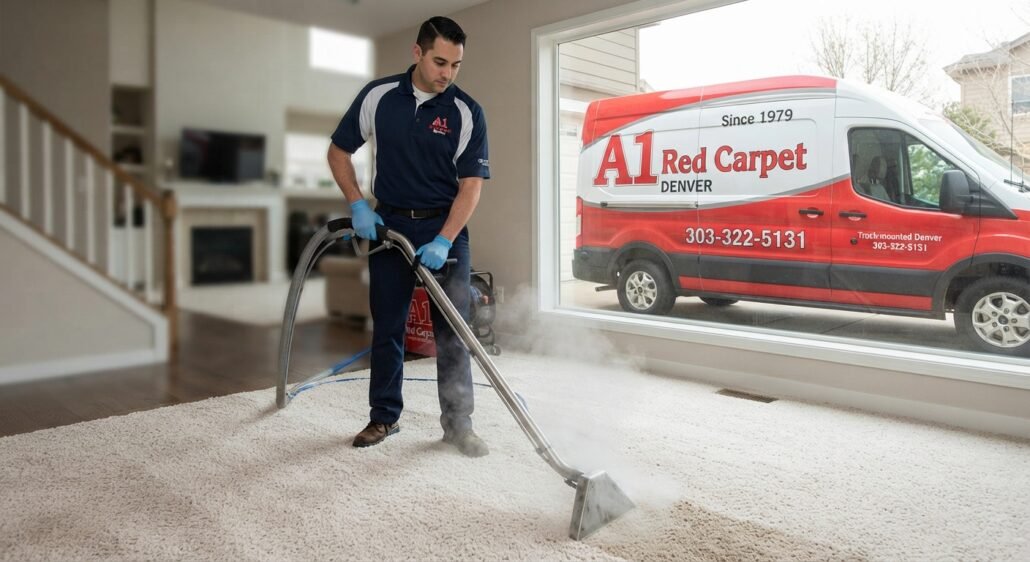
TL;DR: Water mitigation is the immediate work done to stop water damage from getting worse: extracting standing water, drying materials, and preventing mold before it starts. It is different from water damage restoration, which repairs and rebuilds what the water damaged, following the difference the ANSI/IICRC S500 standard defines for professionals. Denver homeowners filing an insurance claim should document damage immediately, according to the Colorado Division of Insurance. A1 Red Carpet provides 24/7 emergency water mitigation across the Denver metro, so call 303-322-5131 any time.
What is water mitigation? It is the set of immediate actions taken to stop water damage from spreading once water has already entered a home, including extracting standing water, drying wet materials, and controlling humidity before mold can start.
Homeowners often use mitigation and restoration interchangeably, but the two terms cover different stages of the same emergency. Mitigation happens first and stops the damage from spreading further. Restoration happens after, rebuilding or repairing what the water already damaged.
In Denver, understanding that difference matters for two reasons: how fast a company needs to respond, and what your insurance policy actually covers at each stage. A1 Red Carpet has provided 24/7 emergency water mitigation across the Denver metro since 1979.
What Is Water Mitigation?
Water mitigation is the immediate response to water intrusion: removing standing water, drying affected materials, and stopping the conditions that lead to mold or structural damage. It happens in the first hours after water damage, before any rebuilding starts. The goal is to limit how much damage occurs, not to repair what has already happened.
What Is the Difference Between Water Mitigation and Water Damage Restoration?
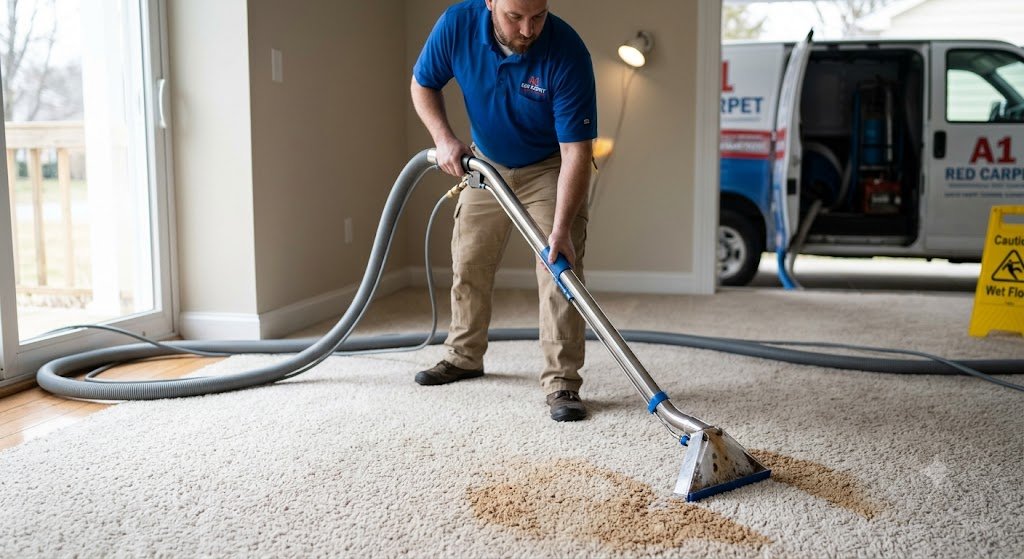
Mitigation stops the damage from getting worse. Restoration repairs what the water already damaged. The ANSI/IICRC S500 standard, the industry reference for professional water damage response, separates the two because they require different equipment, timelines, and often different insurance handling. A single company, like A1 Red Carpet, can often handle both stages, but they are billed and scheduled as separate phases of the same job.
What Happens During Water Mitigation
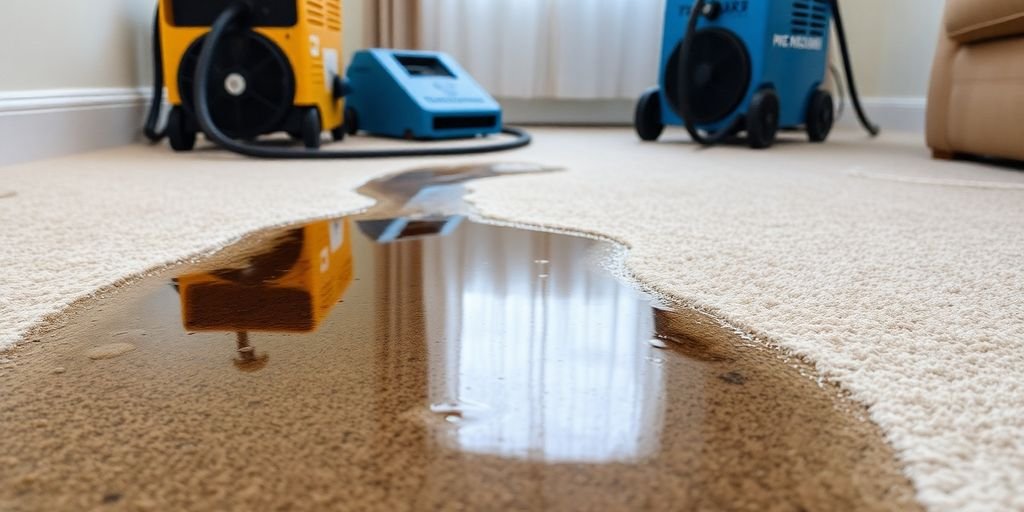
The first step is stopping the water source, whether that means shutting off a supply line or waiting for a plumber to arrive. Next comes water extraction using industrial pumps and vacuums, followed by placing air movers and dehumidifiers to dry the structure over several days. Throughout the process, technicians monitor moisture levels inside walls, flooring, and padding to confirm the space is actually dry, not just dry to the touch on the surface.
Why Does Water Mitigation Need to Happen Within 24 to 48 Hours?
Mold can begin growing on wet materials within 24 to 48 hours of exposure, according to the EPA. That window is also roughly when carpet padding, drywall, and insulation stop being easily salvageable, which is why water mitigation companies treat speed as part of the job itself. A1 Red Carpet offers 24/7 emergency response for exactly this reason, across the full Denver metro water damage restoration service area.
What Water Mitigation Means for Your Insurance Claim
Standard homeowners and renters policies generally cover sudden water damage from events like a burst pipe, according to the Colorado Division of Insurance. The Division’s own guidance on burst pipe claims notes that claims often get delayed when a homeowner does not include an inventory of damaged property when submitting the claim.
Getting mitigation started quickly protects both the structure and the claim itself, since insurers expect homeowners to prevent further damage once the initial event has occurred. Photographing the damage before mitigation begins, then keeping receipts throughout the process, supports a smoother claim from start to finish. If you want the full first hour action list, see our guide on what to do after water damage in Denver.
What Are the Most Common Causes of Water Damage in Denver Homes?
Frozen and burst pipes are one of the most common causes in Denver, since a hard freeze can hit before a homeowner has insulated exposed pipes in a crawl space, garage, or exterior wall. Ice dams on the roof are another local cause, forming when snow melts and refreezes at the roof edge, then backing water up under shingles and into the ceiling below.
Water heater failures and washing machine supply line leaks account for a large share of indoor water damage year round, regardless of season. Sprinkler system leaks near the foundation are a warm weather cause specific to homes with in ground irrigation systems, which are common across the Denver metro.
Do I Need Water Mitigation for a Small Leak?
Yes, if the water reached carpet, padding, drywall, or any material that stays wet longer than a hard surface would. A small leak that seems minor at first can still soak into padding or subfloor where it will not dry on its own, eventually causing mold or structural damage. A1 Red Carpet can assess a small leak the same day and confirm whether mitigation is needed.
Responding to Water Damage the Right Way
Water mitigation is the first response to water damage, stopping the situation from getting worse before any repairs begin. It is different from restoration, follows the ANSI/IICRC S500 standard professionals use nationwide, and needs to start within 24 to 48 hours to protect both the structure and an insurance claim.
A1 Red Carpet has provided 24/7 emergency water mitigation and restoration across the Denver metro since 1979, with industrial drying equipment and documentation that supports your insurance claim from day one. If water has entered your home, call 303-322-5131 any time, day or night, for an immediate response.
Frequently Asked Questions
Is water mitigation the same as water damage restoration?
No. Mitigation is the immediate work to stop water damage from spreading, like extracting water and drying materials. Restoration is the repair and rebuilding work that follows once the structure is dry. Both stages often happen with the same company, but they are distinct phases under the ANSI/IICRC S500 standard.
How much does water mitigation cost in Denver?
Cost depends on how much water intruded, which materials were affected, and how long the water sat before mitigation started. A1 Red Carpet provides free, no obligation estimates and can give a clearer cost range during the initial assessment. Call 303-322-5131 for an estimate specific to your situation.
Will homeowners insurance pay for water mitigation?
Sudden, accidental water damage, like a burst pipe, is typically covered under a standard homeowners policy, according to the Colorado Division of Insurance. Coverage is less likely for damage from a leak the homeowner already knew about and did not fix. Documenting the damage immediately and contacting your insurer the same day supports a smoother claim.
How long does water mitigation take?
Extraction typically happens the same day mitigation starts, while drying with air movers and dehumidifiers usually takes 3 to 5 days depending on how much material absorbed water. Technicians confirm the structure is fully dry with moisture meters before ending the drying phase, since materials can look dry on the surface while still holding moisture underneath.
What should I do before the water mitigation team arrives?
Shut off the water source if it is safe to do so, and cut power to any affected area if there is a risk of water reaching outlets or wiring. Photograph the damage for your insurance claim before moving anything. Avoid walking on wet carpet more than necessary, since it can push water further into padding and subfloor.