
How to Get Blood Out of Carpet: Fresh and Dried Stains
TL;DR: To get blood out of carpet, blot it with cold water, then dab on a mix of 1/4 teaspoon clear dish soap and 1 cup of cool water, the ratio the Carpet and Rug Institute recommends. Never use hot water. Dried blood needs an enzyme cleaner or 3% hydrogen peroxide on synthetic carpet. If the stain reached the pad or sits on wool, call A1 Red Carpet at 303.322.5131.
Knowing how to get blood out of carpet comes down to one rule: keep it cold. A nosebleed, a scraped knee, or a pet’s cut paw can leave a red spot in seconds. Treat it right away with cold water, and most fresh blood lifts out completely.
Denver makes speed even more important. The Colorado Climate Center notes that our low humidity favors rapid evaporation. Blood dries fast here, and dried blood bonds to carpet fibers much harder than a wet spill does.
This guide covers fresh stains, …
Homemade Carpet Stain Remover: 5 DIY Recipes That Actually Work
TL;DR: The best homemade carpet stain remover for most spills is 1/4 teaspoon of clear dish soap mixed into 1 cup of cool water, the ratio the Carpet and Rug Institute recommends. Blot, never rub, and patch test first. White vinegar, rubbing alcohol, 3% hydrogen peroxide, and dry baking soda each handle specific stains. If a stain survives two tries, call A1 Red Carpet at 303.322.5131.
A homemade carpet stain remover can rescue your carpet from a coffee spill or a muddy paw print, as long as you use the right mix for the stain. The wrong mix can bleach fibers, leave sticky residue, or release fumes you should never breathe.
Denver adds one more problem. The Colorado Climate Center notes that our low humidity favors rapid evaporation. Spills dry fast here, and a dried spill is much harder to lift than a wet one.
This guide gives you five DIY recipes with exact amounts, the stains each …
How to Clean Berber Carpet Without Snagging the Loops
TL;DR: To clean Berber carpet, vacuum with the brush roll raised or turned off, blot spills with very little water, and treat oil and grease right away. Never pull a snagged loop; trim it flush with sharp scissors. Berber is often made of olefin, which resists water stains but grabs onto oil. For a deep clean, professional hot water extraction with strong suction keeps moisture low. Call A1 Red Carpet at 303.322.5131.
How to clean Berber carpet comes down to one rule: be gentle with the loops. Berber is a loop pile carpet, so the yarn runs in continuous loops instead of cut ends. One snagged loop can pull a whole row loose.
Berber shows up in a lot of basements, family rooms, and rental homes because it is tough and hides dirt well. It also has a few habits that trip up homeowners. It holds on to oily soil, it can wick stains back up after cleaning, and a …
Signs of Water Damage: What Denver Homeowners Should Check Before Winter
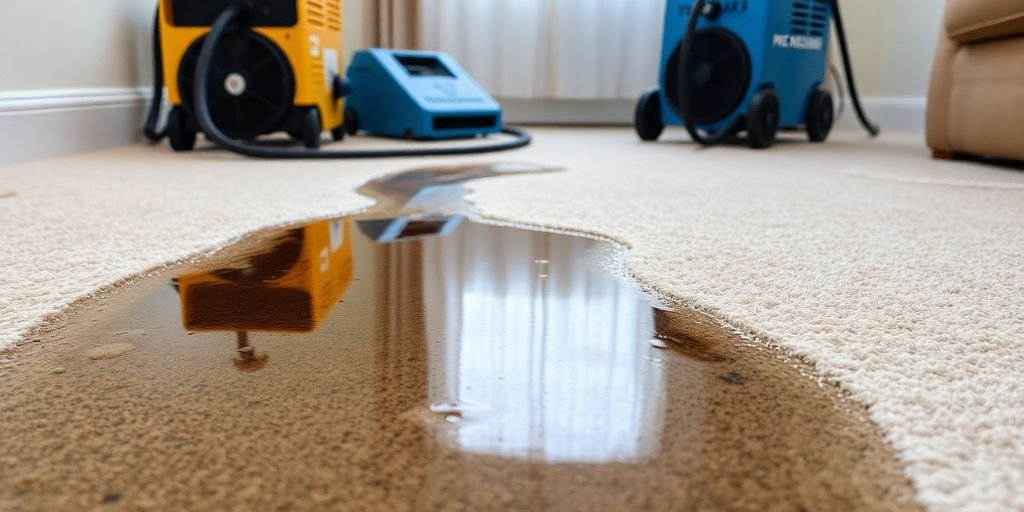
TL;DR: The most common signs of water damage are stains on ceilings or walls, a musty smell, warped or soft floors, bubbling paint, damp carpet, and a water bill that rises for no clear reason. Most leaks start small and stay hidden. Check under sinks, around the water heater, and in the basement before Denver’s first hard freeze. If you find wet carpet or walls, call A1 Red Carpet at 303.322.5131 for 24/7 water damage help.
The signs of water damage are easy to miss until the repair bill shows up. It might be a brown ring on the ceiling, a musty smell in the basement, or carpet that feels cool and damp under your feet.
Fall is the right time to look. The National Weather Service puts Denver’s average first freeze in early October, and cold weather puts pipes in outside walls and basements at risk. A leak you catch now costs far less than one you find in …
How Long Does Carpet Take to Dry? What Denver Homeowners Should Expect
TL;DR: Most carpet takes about 6 to 12 hours to dry after a professional hot water extraction cleaning. With strong airflow, it can dry in 3 to 6 hours. Denver’s dry air usually works in your favor. Keep foot traffic light, wait before moving furniture back, and call your cleaner if the carpet is still damp after 24 hours. A1 Red Carpet offers same day carpet cleaning across the Denver metro at 303.322.5131.
How long does carpet take to dry? After a professional cleaning, the usual answer is 6 to 12 hours. In a Denver home, it often lands on the faster end of that range.
It is a fair question to ask before you book. You may have kids who need the playroom back, pets that want the couch, or guests arriving that evening. Nobody wants to tiptoe around wet carpet all weekend.
Drying time depends on three things: how much water goes in, how thick the carpet is, …
How to Dry Wet Carpet: A Denver Homeowner’s Guide
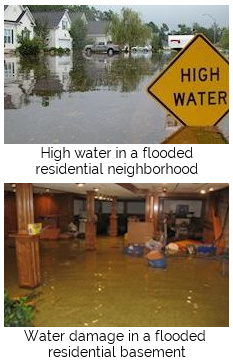
TL;DR: To dry wet carpet, stop the water, pull out as much as you can with a wet vacuum, lift the carpet so air reaches the pad, and run fans and a dehumidifier around the clock. The EPA says water damaged areas should be dried within 24 to 48 hours to prevent mold. If the pad is soaked or the water was dirty, call a pro. A1 Red Carpet dries flooded carpet 24/7 across Denver.
Knowing how to dry wet carpet matters most in the first few hours. A leaking water heater, an overflowing washer, or a burst pipe can soak a room fast, and the clock on mold starts right away.
The tricky part is what you cannot see. Carpet can feel dry on top while the pad and subfloor underneath stay wet for days. That hidden moisture causes the musty smell, the stains that come back, and the mold that shows up weeks later.
This guide covers whether …
How to Get Candle Wax Out of Carpet: A Denver Homeowner’s Guide
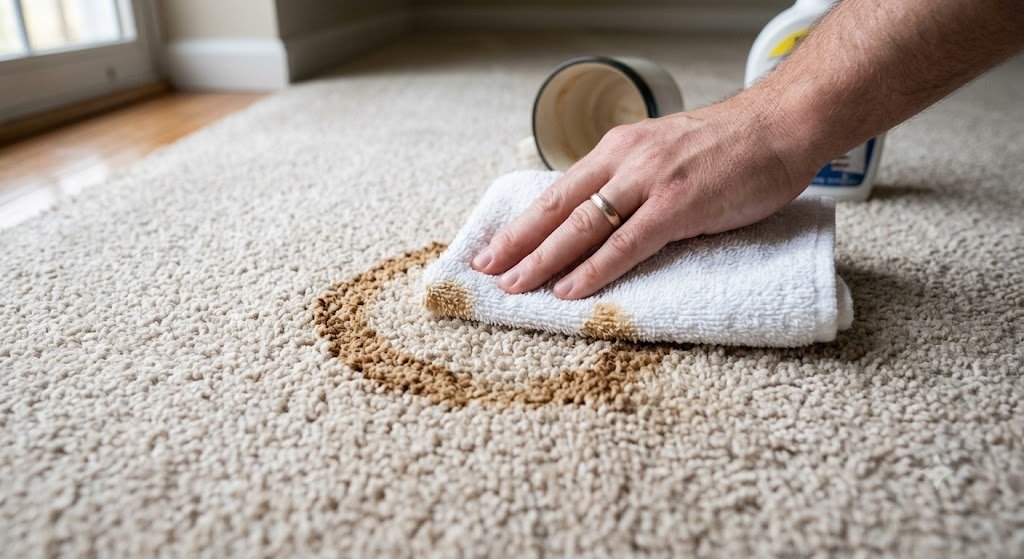
TL;DR: To get candle wax out of carpet, harden it with ice and scrape off the loose pieces. Then melt what is left into a plain paper towel with a warm iron. Diluted rubbing alcohol lifts most of the colored stain that some candles leave behind. Test on a hidden spot first and never let the iron touch the carpet. For wax on wool, a rug, or a large area, call A1 Red Carpet at 303.322.5131.
How to get candle wax out of carpet is a question we hear every year from Halloween through New Year’s. The short answer is to freeze it, scrape it, and then lift the rest with low heat and a paper towel.
Candle season is real. The National Candle Association reports that about 35% of candle sales happen during the holiday season. More candles on mantels and coffee tables means more drips on the carpet below them.
Wax is one of the easier spills to …
How to Clean Grout Between Tiles: A Denver Homeowner’s Guide
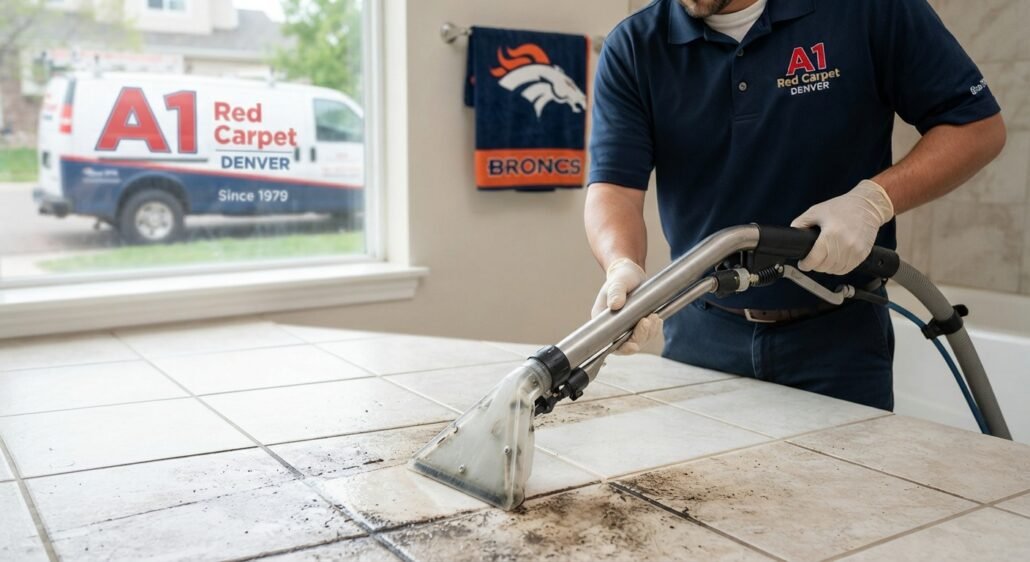
TL;DR: The safest way to clean grout between tiles is applying an alkaline cleaner and extracting it with a wet vacuum, rather than scrubbing with acid or oil based products that damage grout over time. The Tile Council of North America recommends this method for regular maintenance, and bathrooms need more frequent attention since moisture left in grout can grow mold within 24 to 48 hours, according to the EPA. A1 Red Carpet’s tile and grout cleaning restores grout professionally once DIY methods stop working. Call 303-322-5131.
How to clean grout between tiles comes down to using the right cleaner and the right method, since grout is more porous and more easily damaged than the tile around it. Grout absorbs dirt, soap residue, and moisture in a way glazed tile does not, which is why it darkens and grows mold long before the tile itself looks dirty.
Denver bathrooms and kitchens face this constantly, especially in homes with limited ventilation …
Burst Pipe Clean Up: What Denver Homeowners Should Do and How to Stop the Next One
TL;DR: Burst pipe clean up has to start fast. The EPA says wet materials should be dried within 24 to 48 hours to prevent mold. Shut off the main water valve, call a plumber to fix the pipe, and call a water damage team to pull out the water and dry your home. Then take a few simple steps this fall so it does not happen again. A1 Red Carpet handles burst pipe clean up 24/7 across the Denver metro.
Burst pipe clean up is the job nobody plans for. It usually starts with a strange hiss behind a wall or a wet spot spreading across the basement carpet on the coldest morning of the year.
In Denver, that morning comes early. The National Weather Service puts the city’s average first freeze around October 7. From then until spring, any pipe in a cold spot is at risk.
The good news is that most of the damage from a burst …
What Is Water Mitigation? What Denver Homeowners Need to Know
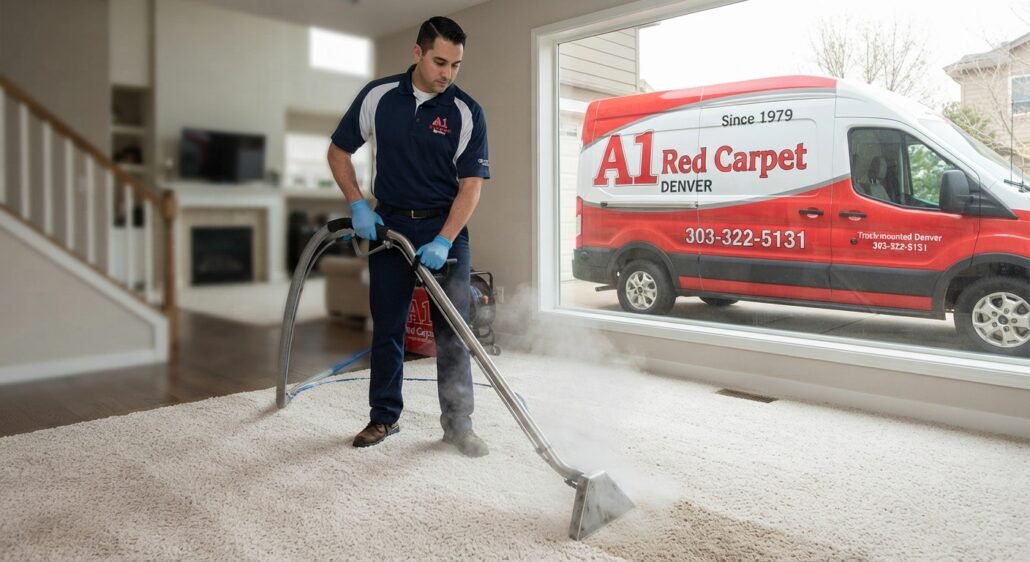
TL;DR: Water mitigation is the immediate work done to stop water damage from getting worse: extracting standing water, drying materials, and preventing mold before it starts. It is different from water damage restoration, which repairs and rebuilds what the water damaged, following the difference the ANSI/IICRC S500 standard defines for professionals. Denver homeowners filing an insurance claim should document damage immediately, according to the Colorado Division of Insurance. A1 Red Carpet provides 24/7 emergency water mitigation across the Denver metro, so call 303-322-5131 any time.
What is water mitigation? It is the set of immediate actions taken to stop water damage from spreading once water has already entered a home, including extracting standing water, drying wet materials, and controlling humidity before mold can start.
Homeowners often use mitigation and restoration interchangeably, but the two terms cover different stages of the same emergency. Mitigation happens first and stops the damage from spreading further. Restoration happens after, rebuilding or repairing what the …