
TL;DR: Pet urine smell lingers because dried urine leaves uric acid crystals that regular carpet cleaners cannot break down. Blot fresh accidents right away, then treat the spot with an enzymatic cleaner made for pet urine, not vinegar or baking soda alone. Different surfaces need different care. If the smell keeps coming back after cleaning, the padding or subfloor underneath is usually the real problem. Call 303-322-5131 for a free assessment.
Getting pet urine smell out of carpet is a bigger job in Denver than most guides admit. Our dry climate means spills and accidents dry fast on the surface, so the top of the carpet looks and feels clean within an hour. But the liquid that soaked down into the padding stays trapped there, and forced-air furnaces running all winter pull that smell back up and circulate it through the whole house. A quick blot-and-forget approach that might work in a humid climate just is not enough here.
This guide walks through what actually removes pet urine odor for good, what to skip, and how to tell when a DIY approach has reached its limit.
How Do You Get Pet Urine Smell Out of Carpet?
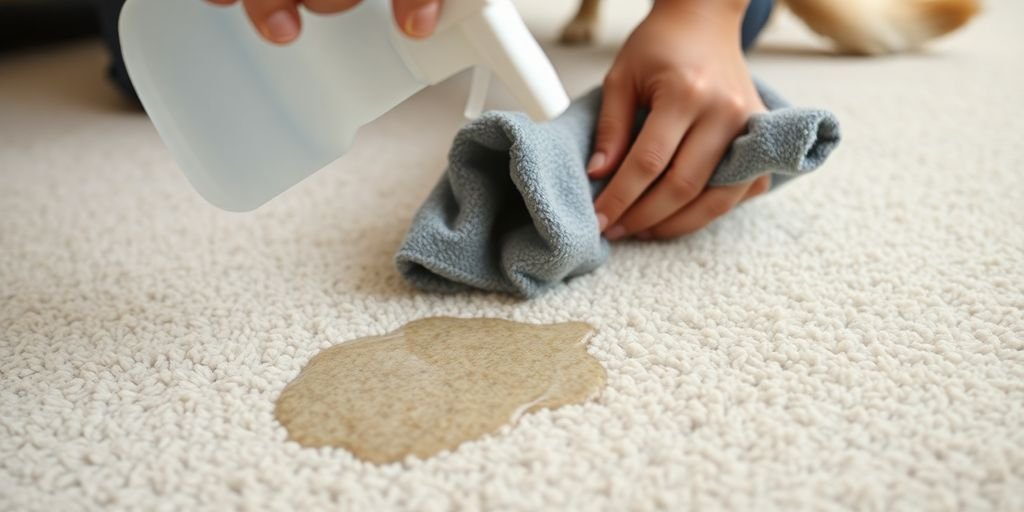
Blot up as much liquid as you can first, using plain paper towels or an old towel, and press rather than rub. Then treat the spot with an enzymatic cleaner made specifically for pet urine, letting it sit the full time listed on the label, usually 10 to 15 minutes, before blotting it dry. For accidents that have already dried, you may need to treat the carpet padding underneath, not just the visible fibers, since that is where most of the odor actually lives.
Skip the steam cleaner on a fresh stain. Heat can set the protein in urine the same way it sets an egg, making the odor harder to remove rather than easier.
Why Does Pet Urine Smell Come Back After You Have Already Cleaned It?
Because regular cleaning products do not reach the actual source of the smell. As urine dries, it leaves behind uric acid crystals that bond tightly to carpet fibers and padding. Bissell’s own cleaning guidance explains that these crystals are not water-soluble, so soap, vinegar, and most all-purpose cleaners can mask the smell temporarily but leave the crystals behind. Denver’s low humidity actually makes this worse: the crystals stay dry and inert most of the time, then release odor again whenever humidity rises, like after a shower, a rainy week, or when you run a humidifier in the dry winter months.
What to Do in the First Few Minutes After an Accident
Speed matters more than the product you reach for. Here is the order that actually works:
- Blot, do not rub. Rubbing pushes the urine deeper into the carpet and padding.
- Use plain paper towels or a clean cloth, applying firm pressure, and replace them as they soak through.
- Avoid ammonia-based cleaners on pet stains. Urine itself breaks down into ammonia compounds, and cleaning with an ammonia-based product can make the spot smell more like urine to your pet’s nose, not less, which can encourage repeat accidents in the same spot.
- Once you have blotted up as much as possible, apply an enzymatic cleaner and let it work for the full time on the label before blotting again.
The Baking Soda and Vinegar Method, and Where It Falls Short
Baking soda and white vinegar are a genuinely useful first response, especially for a fresh, small accident. Vinegar’s mild acidity helps neutralize some of the odor-causing compounds, and baking soda absorbs surface moisture and smell as it dries. Sprinkle baking soda generously, let it sit for several hours or overnight, then vacuum it up.
Where this method falls short is exactly where the problem actually lives: it does very little against uric acid crystals once they have bonded to the fibers. That is why a spot that seemed to clear up can start smelling again days or weeks later, particularly on a humid day. Think of baking soda and vinegar as a good stopgap for a small, fresh spill, not a substitute for an enzymatic treatment on anything that has had time to set in.
Do Enzymatic Cleaners Actually Work?
Yes, and they are the only common household option that addresses the actual cause of the smell rather than covering it up. Enzymatic cleaners contain live bacterial cultures that produce enzymes specifically built to break down the proteins and uric acid in pet urine, effectively digesting the source of the odor instead of masking it. For the enzymes to do their job, the cleaner needs to stay wet on the stain for the full time the label recommends, which is why blotting too soon is the most common way people undercut their own results.
Cleaning Pet Urine on Hardwood, Tile, and Upholstery
Carpet is not the only surface that holds onto this smell. Each material needs a slightly different approach:
Hardwood and tile. Wipe up the liquid immediately since sealed hard flooring does not absorb it the way carpet does. On older hardwood with worn finish, urine can seep into seams between boards, so follow up with a pet-safe enzymatic cleaner rather than assuming a quick wipe handled it.
Upholstery and fabric. Blot first, test any cleaner on a hidden patch of fabric, then apply an enzymatic cleaner made for upholstery specifically. Fabric holds moisture longer than hard flooring, so give it extra time to fully air dry, ideally with a fan, before letting pets or kids back on the furniture.
Whatever you use around pets and children, check that it is genuinely pet-safe rather than just fragranced to smell that way. The American Kennel Club’s guidance on dog-safe cleaning is a useful gut check before using any product around an animal that will be walking, sitting, or sleeping on the treated surface. A1 Red Carpet only uses eco-safe cleaning products for exactly this reason, they are formulated to be safe once dry for pets and kids in the home.
When Should You Call a Professional for Pet Urine Odor?
Call a professional once the smell has soaked past the surface, keeps coming back after you have tried an enzymatic cleaner, or covers a large area rather than one small spot. At that point the urine has usually reached the padding or, in the worst cases, the subfloor underneath, and no amount of surface treatment reaches that deep. Professional pet stain and odor removal uses hot water extraction and enzyme treatments injected below the surface, reaching the padding directly instead of just the fibers on top.
If you are dealing with a stubborn stain rather than just odor, our carpet stain removal service tackles both at once. The same goes for pet accidents on couches or car seats, which our upholstery cleaning team handles with the same enzymatic approach.
Preventing the Next Accident
Once the odor is actually gone (not just covered up), pets are far less likely to treat the same spot as a bathroom again, since the ASPCA notes that lingering odor is one of the main reasons pets return to the same location. Keeping litter boxes clean and accessible, sticking with consistent potty training, and talking to your vet about any sudden increase in accidents (which can sometimes signal a health issue rather than a behavior one) all help from here.
Pet urine odor is stubborn, but it is not permanent. Blot fast, treat with an enzymatic cleaner rather than vinegar alone, and match your method to the surface you are dealing with. If the smell keeps returning after you have done all of that, the problem has moved past what a spray bottle can fix. A1 Red Carpet has been cleaning Denver homes since 1979, with eco-safe products that are genuinely safe for kids and pets once dry, insured and uniformed technicians, and no hidden fees or trip charges. Call 303-322-5131 for a free estimate, or request an appointment online.
Frequently Asked Questions
Why does pet urine smell get worse over time instead of better?
Dried urine leaves uric acid crystals that regular cleaners cannot dissolve. Those crystals release odor again whenever humidity rises, which is why a spot that seemed fine can start smelling again on a humid day or after a shower steams up the room.
Can I just use vinegar and baking soda instead of buying an enzymatic cleaner?
For a fresh, small accident, vinegar and baking soda can help as a first response. For anything that has had time to set in, they do not break down uric acid crystals the way an enzymatic cleaner does, so the smell tends to return.
How do I get pet urine smell out of hardwood floors?
Wipe up the liquid right away, since sealed hardwood does not absorb it the way carpet does. On older or worn hardwood, urine can seep into the seams between boards, so follow up with a pet-safe enzymatic cleaner rather than assuming a wipe was enough.
Will a professional cleaning fix odor that DIY methods could not?
Usually, yes. If the smell has reached the carpet padding or subfloor, no surface product can reach it. Professional cleaning uses hot water extraction and enzyme treatment applied below the surface, which is the only way to treat urine that has soaked in that deep.
How can I stop my pet from having repeat accidents in the same spot?
Fully removing the odor, not just masking it, is the first step, since pets are drawn back to spots that still smell like urine to them. Beyond that, keep litter boxes clean and accessible, stay consistent with training, and check with your vet if accidents suddenly increase, since that can sometimes point to a health issue.